White Trash
2025


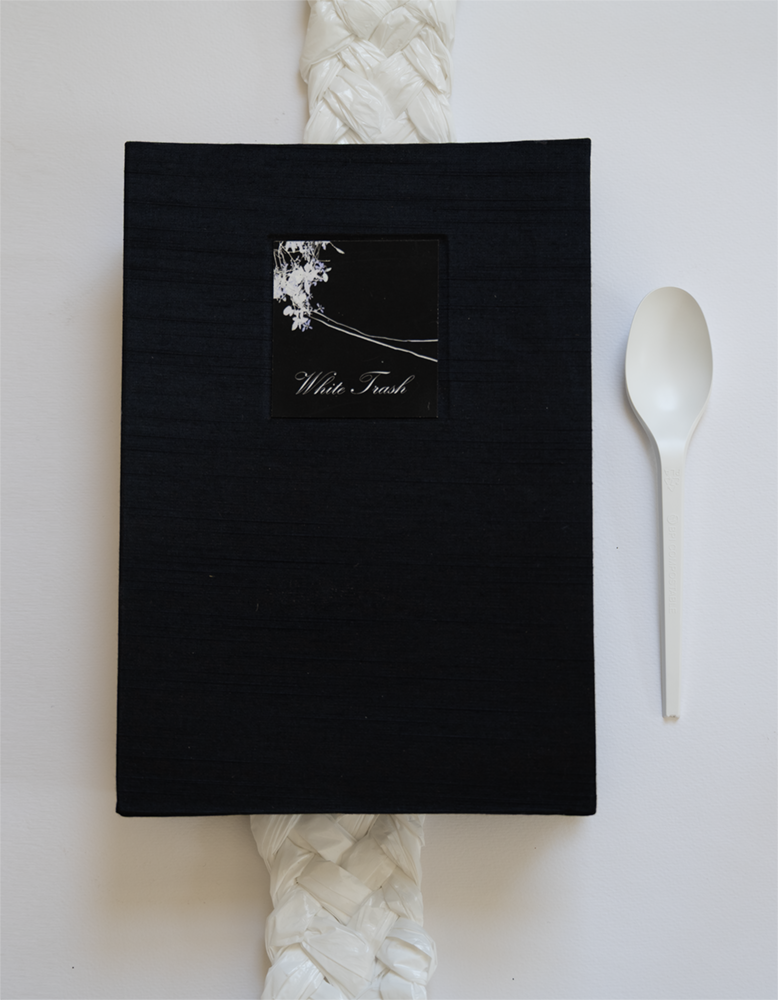
Litter was once part of someone’s day, but now it’s part of the landscape—forms caught in transition, evidence of consumption, convenience, and abundance occurring elsewhere. Living outside New York City, household waste was invisible, disappearing down chutes or to the curb, out of sight and out of mind. This luxury changed in 2021 when we moved into a former carriage garage. With little storage and unreliable trash collection, waste became unavoidable. Every errand created something to be discarded, but now disposal required effort. More trash meant more time spent removing it, making our consumption impossible to ignore.
As I paid closer attention, I became amazed at the sheer quantity of discarded white materials and how they seamlessly permeated the landscape, as ubiquitous as branches on a tree. Straw wrappers, coffee lids, and crumpled receipts scattered across sidewalks and roadsides, sitting there as if they belonged—despite having no roots in the organic cycles of the earth.
I began photographing white litter as still lifes, recognizing its unexpected sculptural beauty—the way a torn receipt caught the light or how a plastic wrapper folded into itself. This sense of form and repetition extended into an accordion book, where aerial views of the American landscape frame compositions of white trash. On one side, still lifes of discarded materials appear like curated objects; on the other, fragments of advertising slogans are paired with ground-level images of litter. Encouraged to have, get, and keep up, we consume with ease and dispose with equal speed—leaving behind materials that still carry energy, shape, and presence. Once dismissed as inferior, these fragments of White Trash occupy one more moment of relevance before being swept back into the waste stream again.